When a seller in St. James's Village asks for comps, the honest answer some weeks is that there are none to pull. Not few. None. In early August 2026, the entire guard-gated community held roughly six active listings, a number thin enough that an appraiser working the file has to reach outside the gate before building a defensible opinion of value.
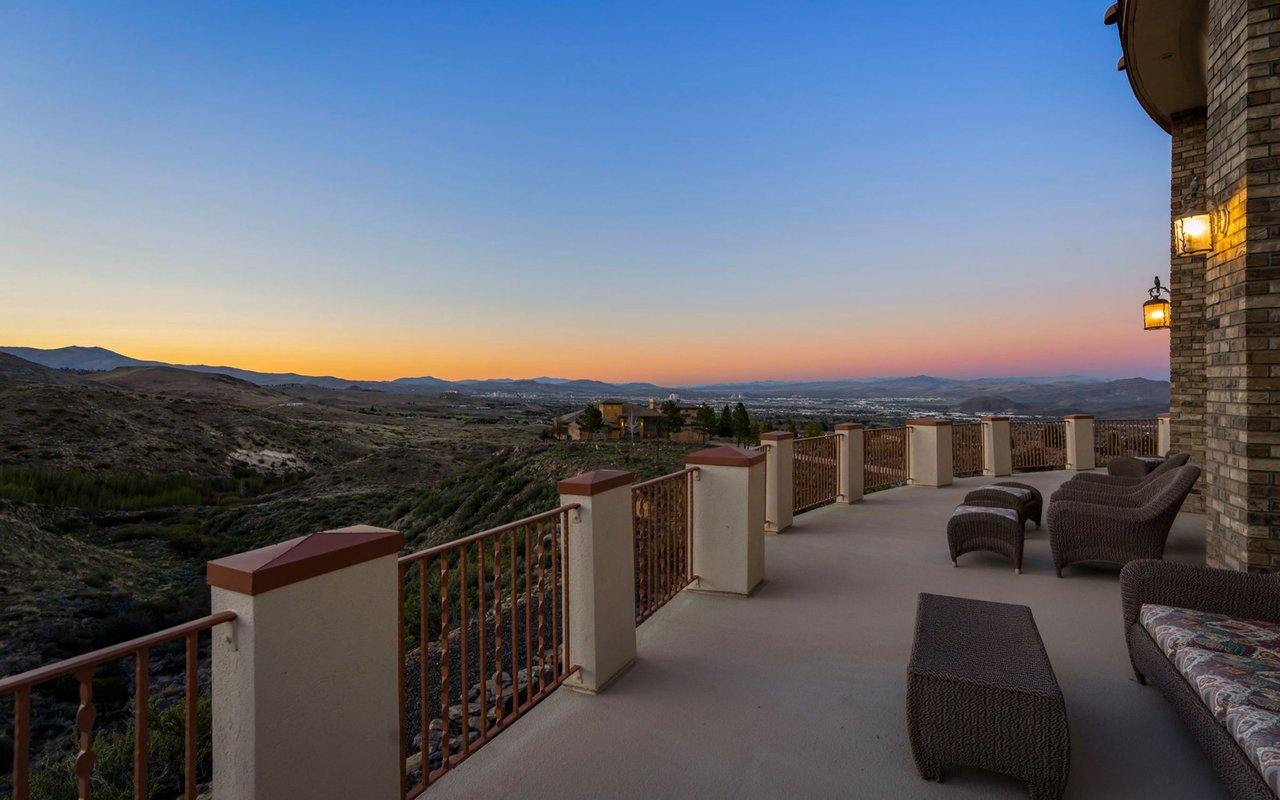
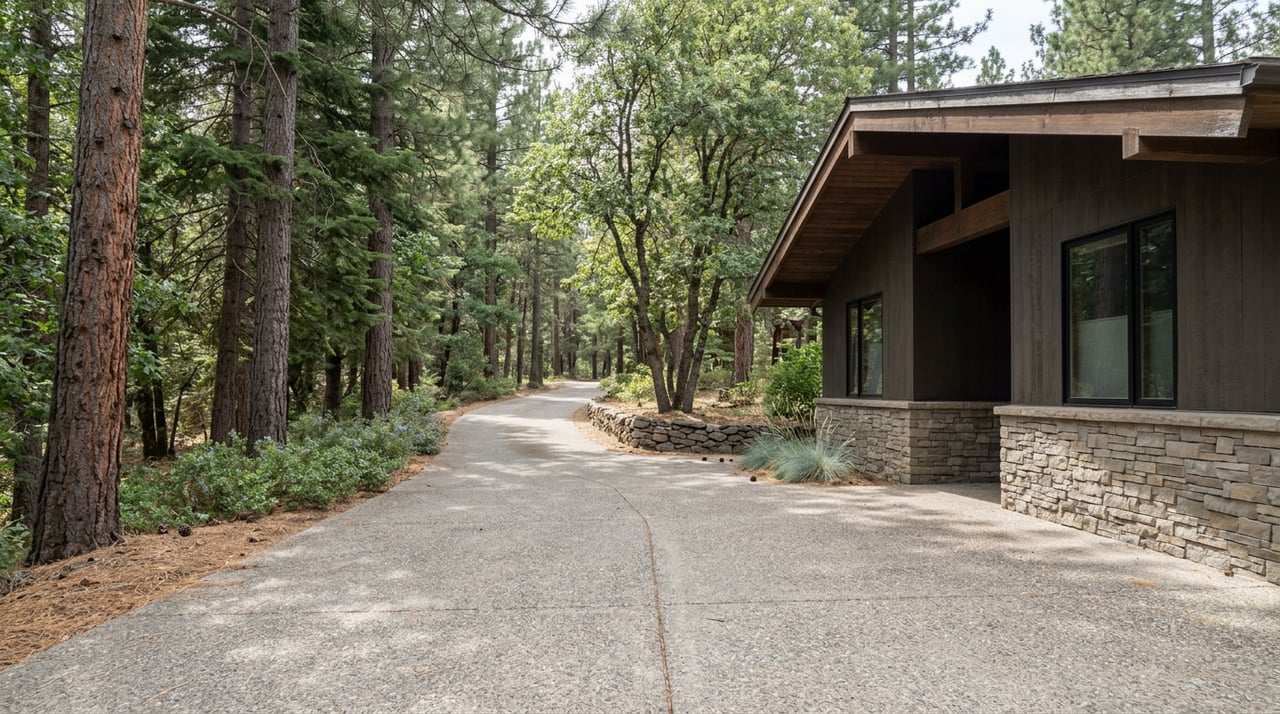
That scarcity is not a bad month. It is what a 1,600-acre community with roughly 500 total homesites, each carved into one to four acres of custom-built ground bordering national forest land, produces by design. The privacy that draws buyers here is the same scarcity that makes selling here a different exercise than selling in a standard South Reno subdivision a few minutes away.
Why the Appraiser Can't Just Pull Three Comps
That August snapshot told a fuller story than the count alone. Median list price sat near $2.6 million, and homes were averaging around three months on market before going under contract. That average hides a wide spread, and the spread has less to do with staging than with how closely a given home resembles anything that has recently sold.
Subdivisions built from a handful of repeated floor plans give appraisers a shortcut: pull three closed sales of the same model, adjust for lot and finish, done. St. James's Village does not offer that shortcut. Homes here are individually designed and built across named collections, including the Bennington Collection, and across several platted sections of the community, so no two properties reliably share a floor plan, a lot shape, or even a builder. An appraiser working a six-bedroom estate with a wine room and a detached casita cannot lean on a repeated design. Every adjustment for square footage, acreage, view corridor, and finish level becomes a judgment call, and judgment calls take longer to defend, both to a lender and, if it comes to that, to a buyer's own appraiser on the other side of the deal.
The Financing Line Nobody Draws on a Flyer
The comp problem compounds with a financing problem. Nearly every purchase in St. James's Village already sits above what a standard conforming loan will cover, which means jumbo financing or an all-cash offer is the default here, not the exception reserved for the priciest listings. That alone narrows the buyer pool compared with a neighborhood where most purchases close on an ordinary 30-year loan.
The pool narrows again once a listing crosses roughly $3 million. Below that line, a well-priced estate in the village has recently gone from list to contract in something close to eight to thirteen weeks. Above it, three to six months is closer to normal, because the number of buyers who can put down the required cash or qualify for jumbo financing at that size, and who also want this exact combination of acreage, forest border, and gated privacy, is genuinely small. A seller pricing a $3.4 million estate is not competing against every buyer looking in South Reno. They are waiting for the handful who fit the financial profile and the lifestyle one at the same time.
The privacy is real. So is the wait it can create for a seller who needs to close on a normal timeline.
The Paperwork the Village Already Has On You
A third friction point tends to surface later in escrow, often when a buyer's attorney or title company starts pulling HOA documents. St. James's Village, like most gated communities with strict architectural standards, runs exterior and grounds changes through an Architectural and Landscape Committee, generally shortened to the ALC. The HOA's own site lists separate request forms for plan review, cosmetic improvement review, and general beautification work, which tells you the association treats even modest changes, a fence line, a courtyard wall, a re-graded slope, as something that needs its own paper trail, apart from anything filed with the county.
For a seller, the practical question is simple. If a deck was added, a driveway widened, or a section of the grounds reworked at some point during ownership, was it actually approved through the ALC, or did it happen quietly during a summer when nobody thought to ask? An unresolved ALC item rarely kills a sale, but it is exactly the kind of thing a sharp buyer's agent or attorney surfaces during due diligence. Confirming it before the home goes on the market costs an afternoon. Surfacing it in week six of escrow costs a closing date.
What This Changes About Pricing and Timing
None of this makes St. James's Village a hard sell. Estates here still command premium pricing, and the same scarcity that slows a transaction is exactly what protects value once a sale closes, because there is rarely a comparable home competing for the same buyer at the same time. What it means is that the standard playbook, price to the ZIP code median and expect a market-rate close, does not transfer cleanly through the gate.
Before listing, sellers in the village are generally better served by:
- Requesting the HOA's architectural and landscape approval history for the property, not just the current financial statement
- Working with an appraiser or agent experienced in custom estate valuation to identify true comparables, even if that means looking beyond the immediate community
- Building in a wider timeline above the $3 million mark, especially if the sale needs to coordinate with a specific closing date elsewhere
Treat the gate and the acreage as more than lifestyle features. They are the mechanism that makes this market thin, slower at the top end, and unusually dependent on paperwork nobody thinks about until someone asks for it. Sellers who plan around that reality tend to have calmer closings than those who price and list as if St. James's Village were just another ZIP code.
A Few Questions Sellers Ask Before Listing
Does pricing lower avoid the financing cliff entirely? Not really. Even homes priced well under $3 million in St. James's Village typically require jumbo financing rather than a standard conforming loan, so the buyer pool is smaller than the broader South Reno average from the start. The real shift at $3 million is how much smaller that pool gets.
How do I find out if a past renovation was actually approved? Start with the HOA's plan review and cosmetic improvement request records rather than assuming a Washoe County permit covers it. The village's ALC reviews changes separately from the county, so county approval and HOA approval are two different things.
Is this slow-at-the-top pattern unique to St. James's Village? Every guard-gated, large-lot community in the South Reno foothills deals with some version of thin comps and a narrower buyer pool at higher prices. St. James's Village experiences it more acutely because of how few homesites exist and how individually each one was designed.
If you are weighing when to list an estate inside St. James's Village, Bryan Drakulich has spent more than four decades pricing and negotiating custom Northern Nevada properties, including landmark estates where the usual comps never applied. Work With Us to build a pricing and timeline strategy that accounts for how this specific market actually moves.
This article is general information, not legal, tax or financial advice. Consult a qualified professional about your situation.